Barcode Types Explained: The Complete Guide
From retail UPCs to advanced 2D matrix codes for healthcare, discover how each barcode format works and where it is best used.
General & Common Codes
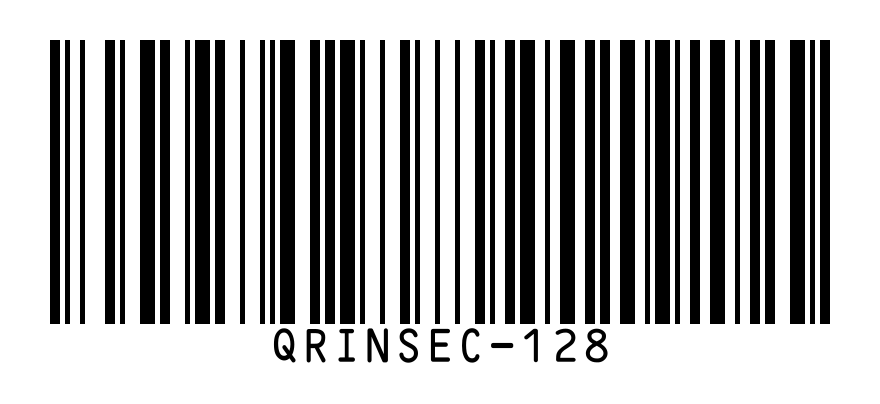
Code 128
Code 128 is a high-density linear (1D) barcode that can encode all 128 ASCII characters, making it one of the most versatile barcodes for alphanumeric data.
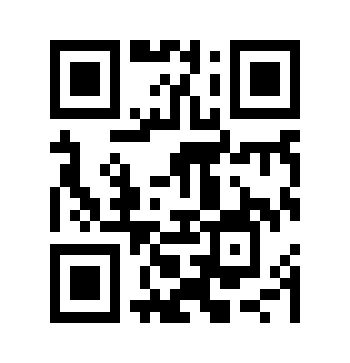
QR Code
The QR (Quick Response) Code is a two-dimensional matrix barcode that stores up to around 3,000 bytes — URLs, text, Wi-Fi credentials, contact cards and more — far beyond what a 1D barcode holds.
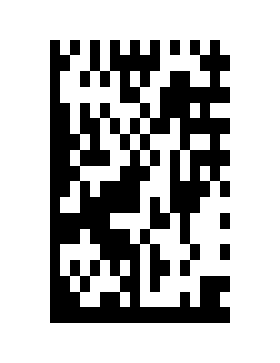
Data Matrix
Data Matrix is a compact 2D barcode that packs up to 2,335 characters into a very small square or rectangle, often just a few millimetres wide.
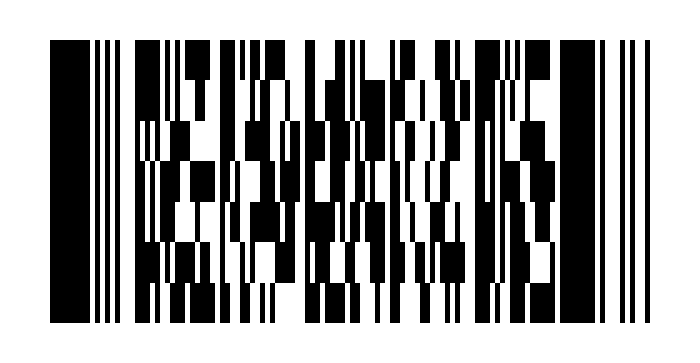
PDF417
PDF417 is a stacked linear (2D) barcode able to hold roughly 1.
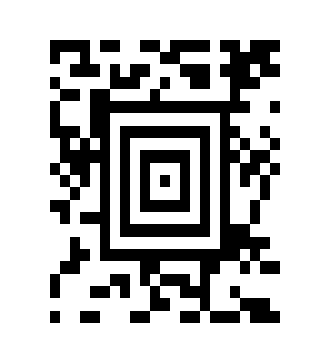
Aztec Code
Aztec Code is a 2D matrix barcode recognisable by the bullseye finder at its centre; it needs no surrounding quiet zone, so it fits in tight spaces.
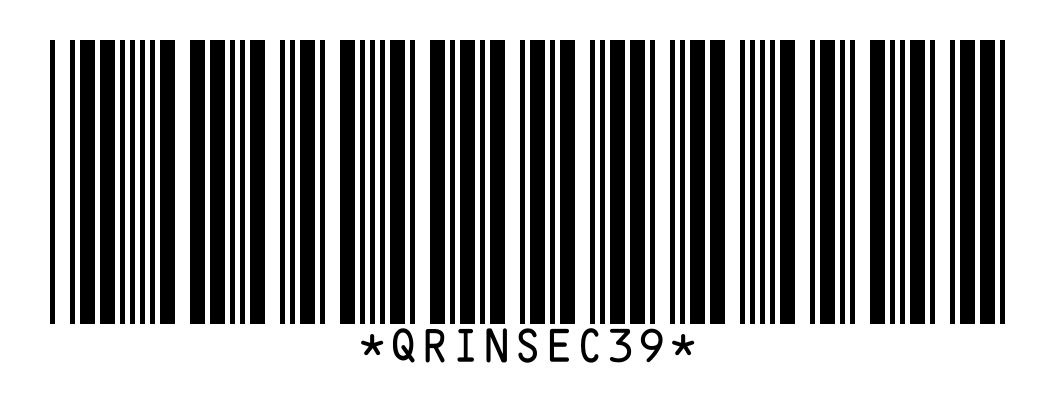
Code 39
Code 39 (also called Code 3 of 9) is one of the oldest alphanumeric 1D barcodes, encoding uppercase A–Z, digits 0–9 and a few symbols; it is self-checking but relatively low density.
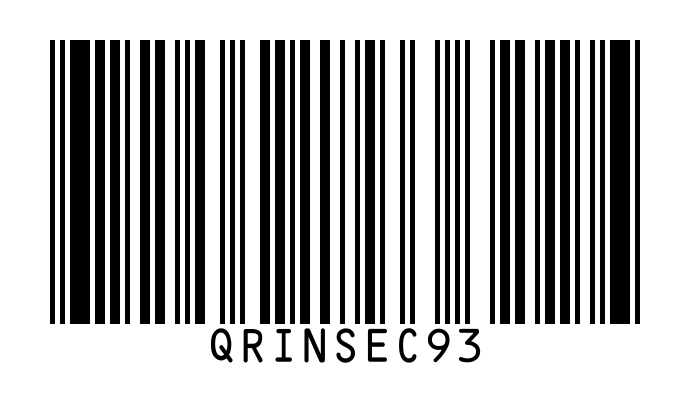
Code 93
Code 93 is a more compact, higher-density successor to Code 39 that can encode the full ASCII set through shift characters while taking up less space.
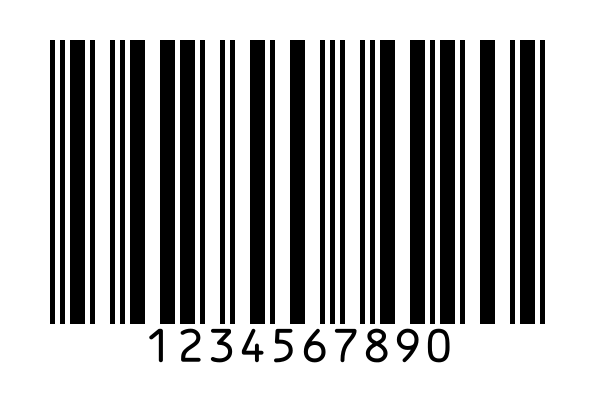
Interleaved 2 of 5
Interleaved 2 of 5 (ITF) is a numeric-only, high-density 1D barcode that always encodes an even number of digits.
Codabar
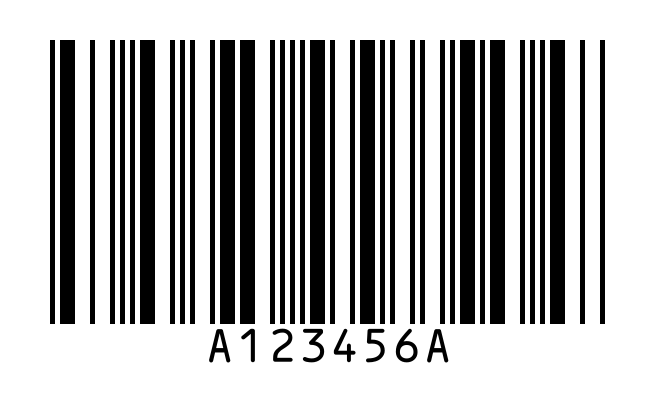
Codabar is an older self-checking numeric barcode that uses four start/stop letters (A, B, C, D) and was designed to print easily on early equipment.
Product Identification
EAN-13
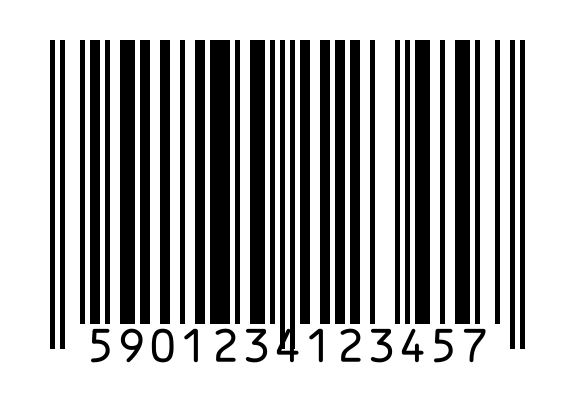
EAN-13 is the 13-digit global retail product barcode (a GTIN-13) scanned at checkouts around the world outside North America.
EAN-8
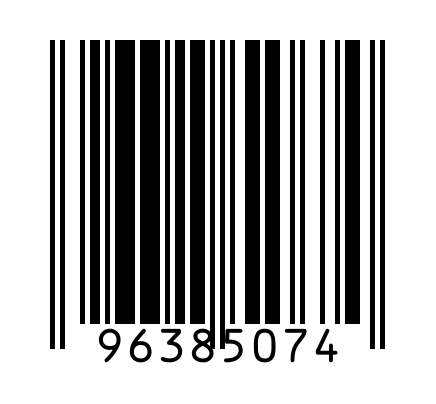
EAN-8 is a compressed 8-digit version of EAN (a GTIN-8) created for products too small for a full EAN-13.
UPC-A
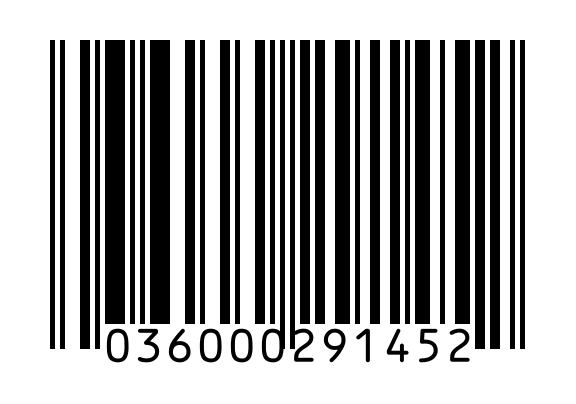
UPC-A is the 12-digit retail barcode (a GTIN-12) used mainly in the United States and Canada.
UPC-E
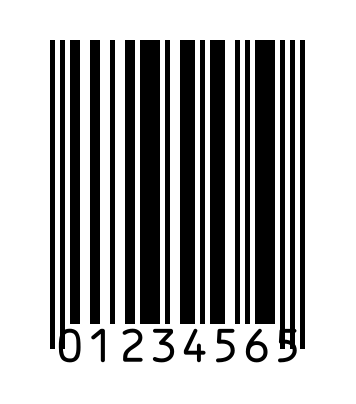
UPC-E is a compressed six-digit form of UPC-A that suppresses zeros to fit on small packages.
ISBN-13
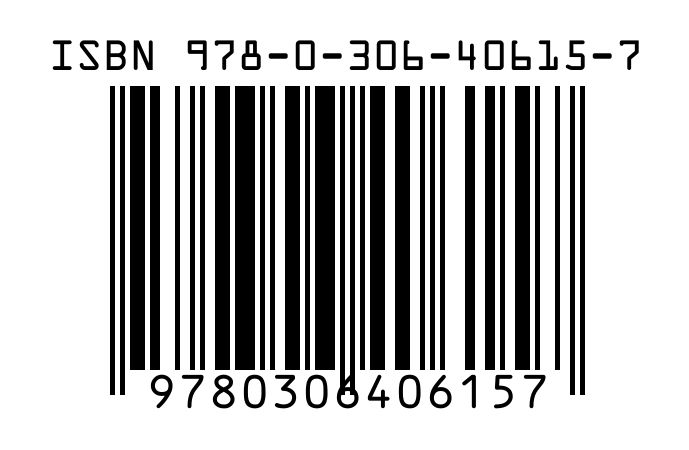
ISBN-13 is the international standard book number encoded as an EAN-13 with a 978 or 979 prefix.
ISSN
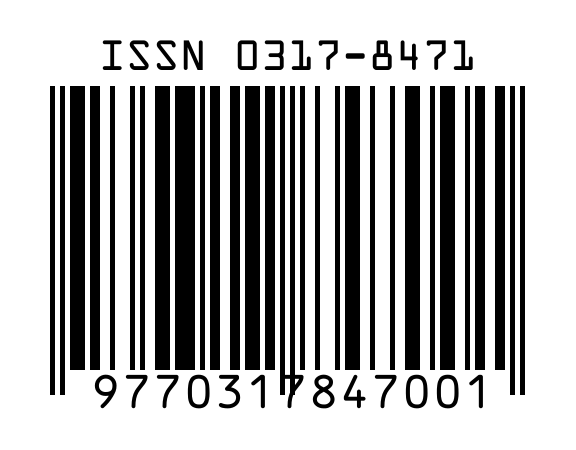
ISSN identifies serial publications such as magazines, journals and newspapers, and is encoded on-product as an EAN-13 with a 977 prefix.
ISMN
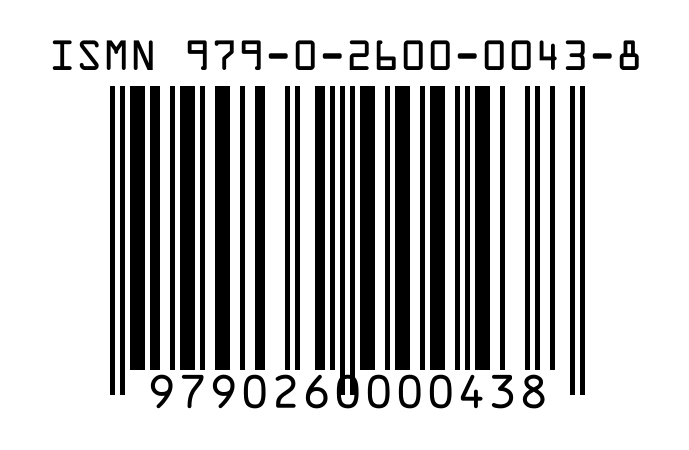
ISMN is the International Standard Music Number for notated sheet music, encoded as an EAN-13 with a 979-0 prefix.
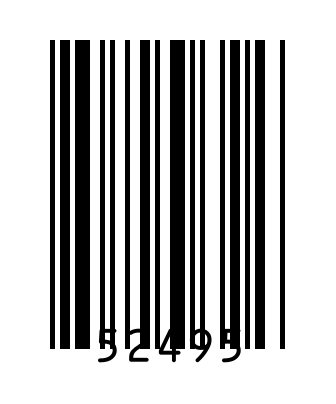
EAN-5 Add-on
The EAN-5 add-on is a five-digit supplemental barcode printed beside a main EAN or UPC symbol.
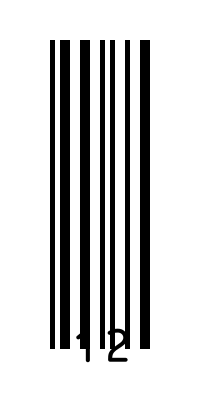
EAN-2 Add-on
The EAN-2 add-on is a two-digit supplement placed next to a main EAN or UPC barcode.
Logistics
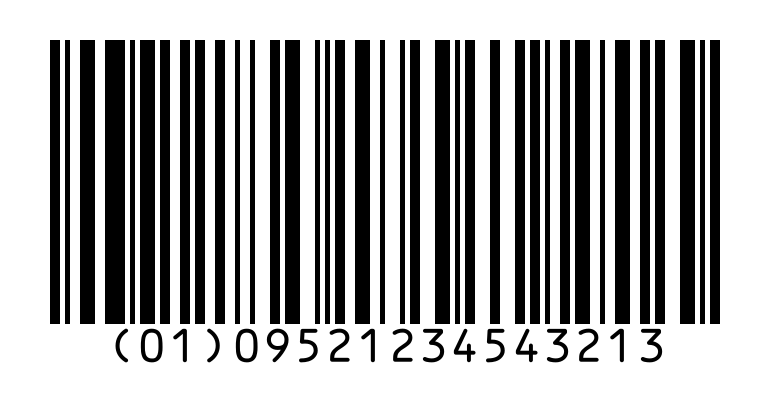
GS1-128
GS1-128 (formerly UCC/EAN-128) is a constrained use of Code 128 that carries structured data through GS1 Application Identifiers (AIs).
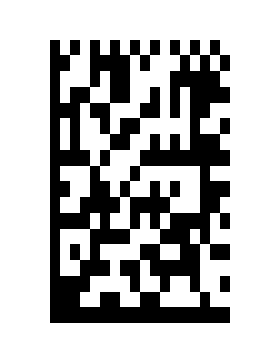
GS1 DataMatrix
GS1 DataMatrix is a Data Matrix symbol carrying GS1 Application Identifiers, combining 2D compactness with structured supply-chain data.
ITF-14
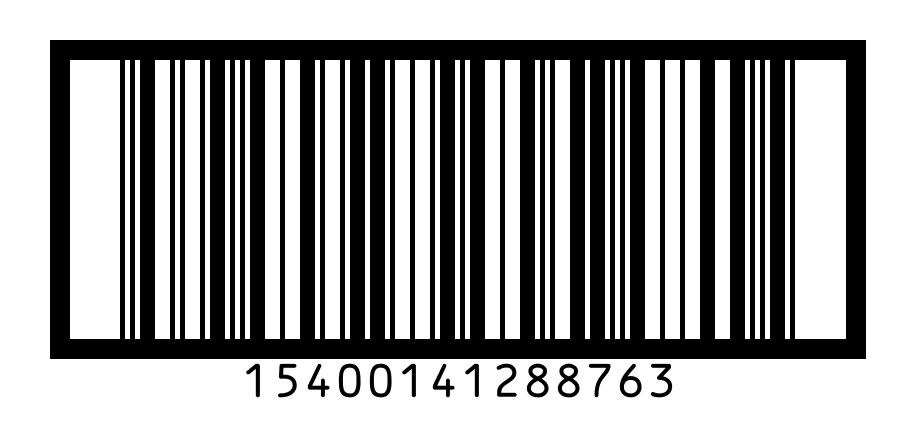
ITF-14 is a 14-digit Interleaved 2 of 5 barcode that encodes a GTIN-14, identifying a product at the carton or case level.
SSCC-18
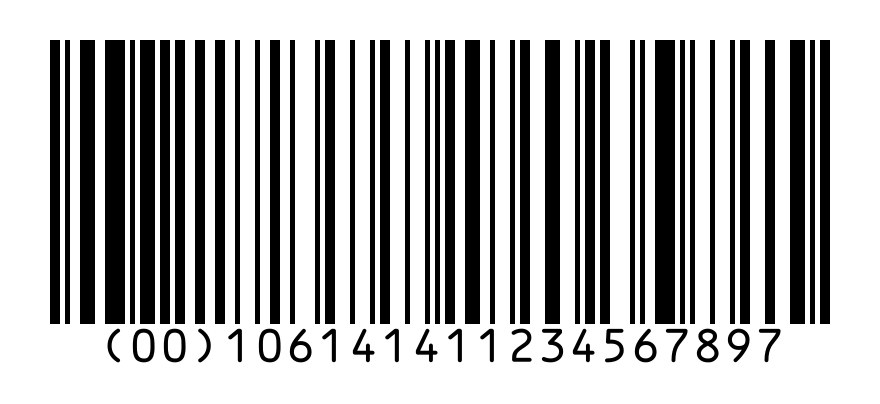
The SSCC-18 (Serial Shipping Container Code) is an 18-digit code that uniquely identifies an individual logistics unit such as a pallet or carton.
MSI Plessey
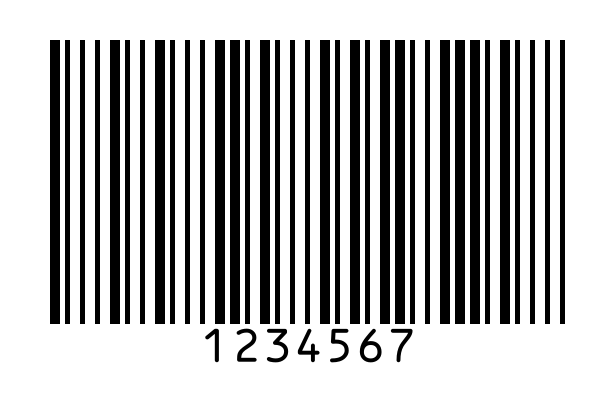
MSI Plessey is a numeric-only 1D barcode developed for inventory and shelf management.
Courier & Shipping
Leitcode
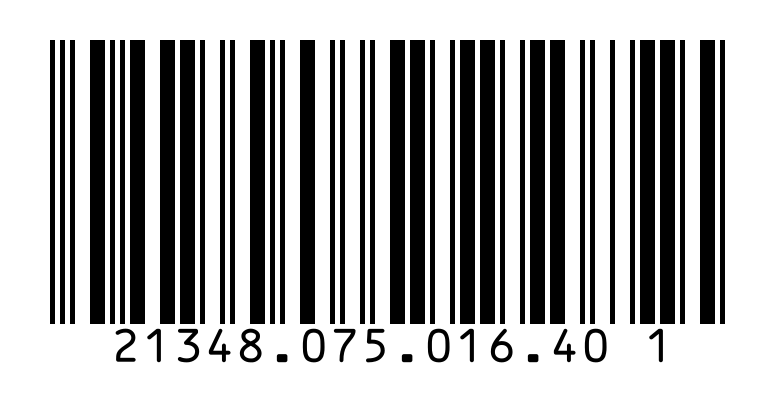
Leitcode is a 14-digit routing barcode used by Deutsche Post for automated mail sorting.
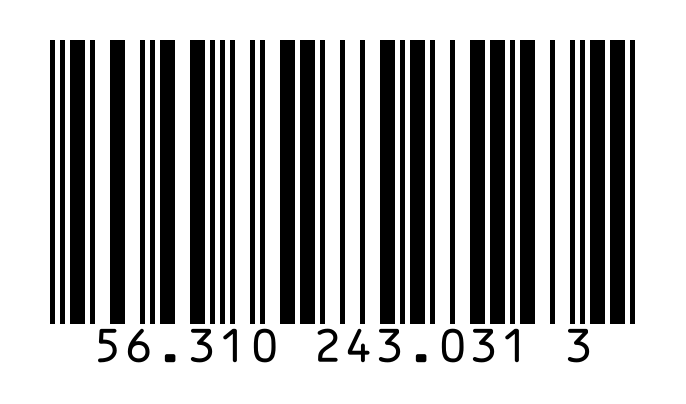
Identcode
Identcode is a 12-digit tracking barcode used by Deutsche Post and DHL to identify shipments.
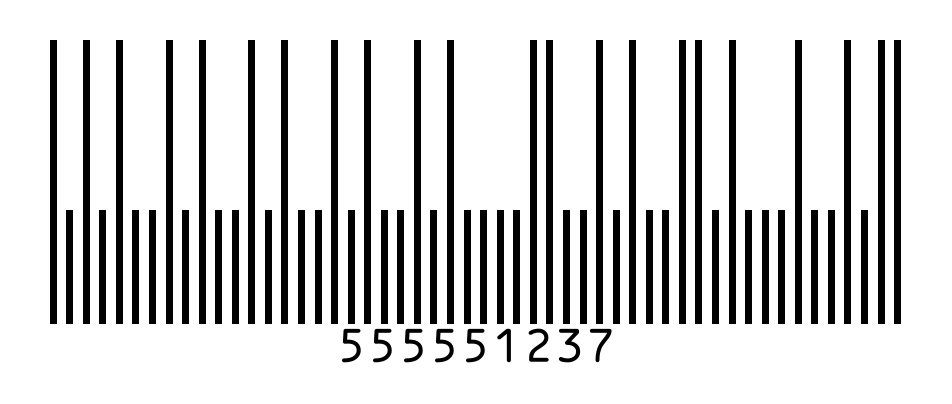
PostNet
PostNet is a legacy United States Postal Service barcode that encoded ZIP+4 codes to speed mail sorting.
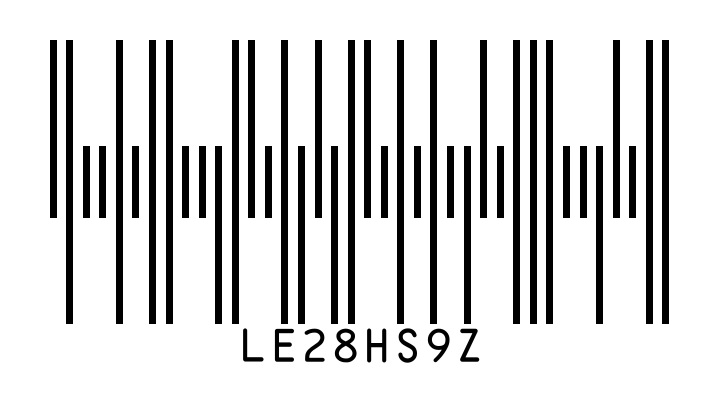
Royal Mail
Royal Mail RM4SCC (the 4-state customer code) encodes UK postcodes for automated mail sorting.
Related reading
The History of Barcodes: From a 1948 Idea to a Global Standard
Barcodes are so woven into daily life that most of us never give them a second glance
Barcode Scanners Explained: Laser vs CCD vs Image (2D) vs Smartphone
A barcode is only useful if something can read it
Barcodes & AI: Smart Vision Scanning and the Future of Machine-Readable Codes
For fifty years, barcodes have been "dumb" patterns read by dedicated hardware