EAN vs UPC Barcode: Which Do You Need for Retail?
Published on June 9, 2026 · 5 min read
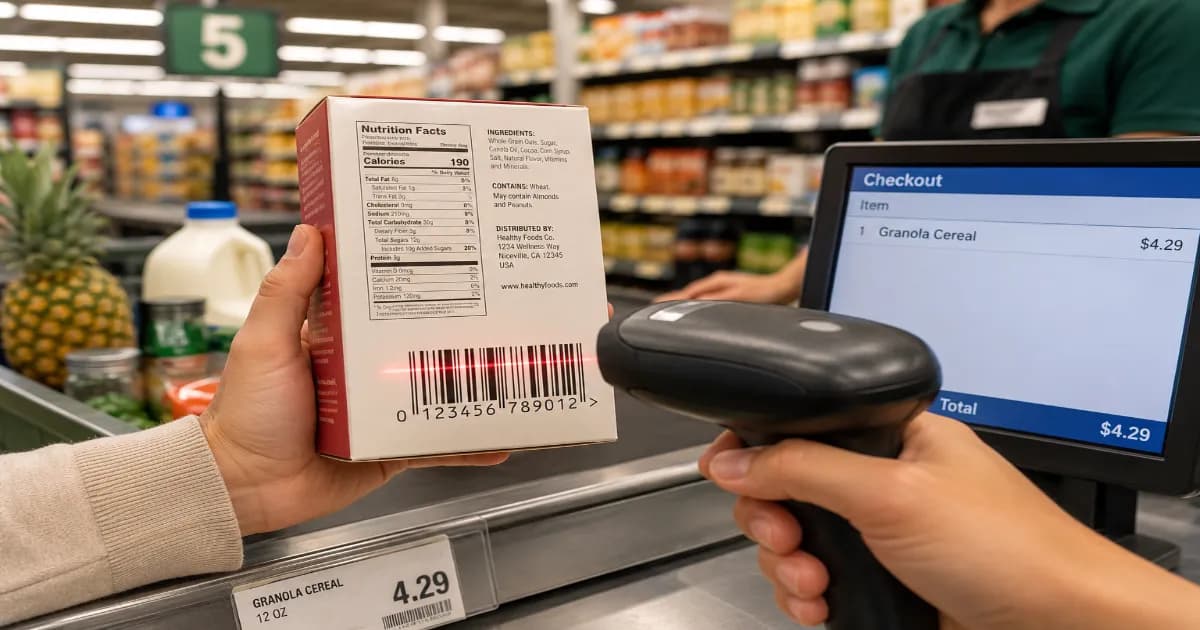
If you are planning to sell a physical product in a retail store, you will inevitably need a standardized barcode on your packaging. During this process, almost every entrepreneur faces the same confusing question: understanding the EAN vs UPC barcode differences. While they look almost identical to the naked eye, choosing the wrong format could lead to rejection by major retailers, supply chain headaches, and costly repackaging.
What is a UPC Barcode?
The Universal Product Code, or UPC, is the original retail barcode standard. Developed in the United States in the early 1970s, it revolutionized the supermarket checkout process. The standard version, known as UPC-A, consists of exactly 12 numerical digits. The first digit usually represents the type of product, followed by a unique manufacturer code, a product code, and finally, a single check digit used by scanners to verify the read is correct. The UPC system is managed by GS1 and is the dominant format utilized across the United States and Canada. If you are a North American company selling exclusively to North American retailers, the UPC-A is generally the standard you will adopt.
What is an EAN Barcode?
As the success of the UPC became undeniable, Europe realized they needed a compatible but distinct system for international trade. Thus, the European Article Number (now technically called the International Article Number but still abbreviated as EAN) was born. The standard EAN-13 consists of 13 digits. The structure is very similar to the UPC, but it includes an additional country code at the very beginning (spanning the first two or three digits) which indicates the GS1 member organization where the prefix was registered. Today, the EAN is the universally accepted standard outside of North America.
The Core Differences
The primary difference in the EAN vs UPC barcode debate is simply geographic origin and the 13th digit. A UPC-A is a 12-digit number primarily for North America, while an EAN-13 is a 13-digit number for the rest of the world. Interestingly, because both are managed by GS1, modern Point of Sale (POS) systems are designed to read both. In fact, a UPC-A can be converted into an EAN-13 simply by adding a leading zero. However, while modern scanners handle both seamlessly, older legacy systems in some American stores might still struggle with the 13-digit EAN, which is why understanding your target market is so critical.
Comparing with Industrial Formats
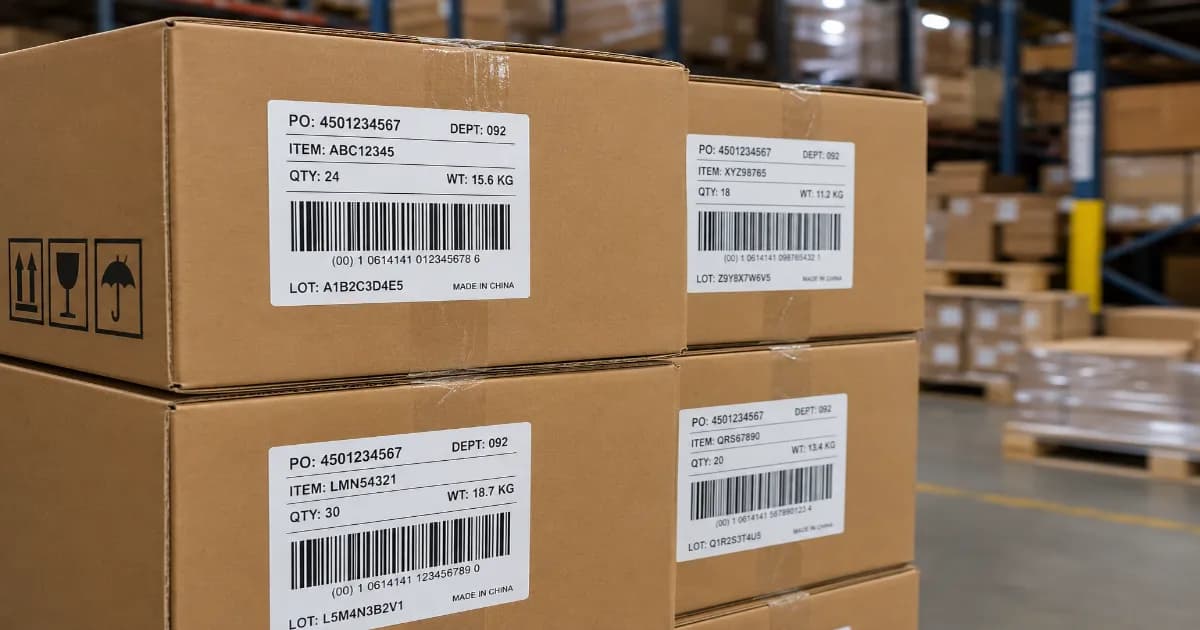
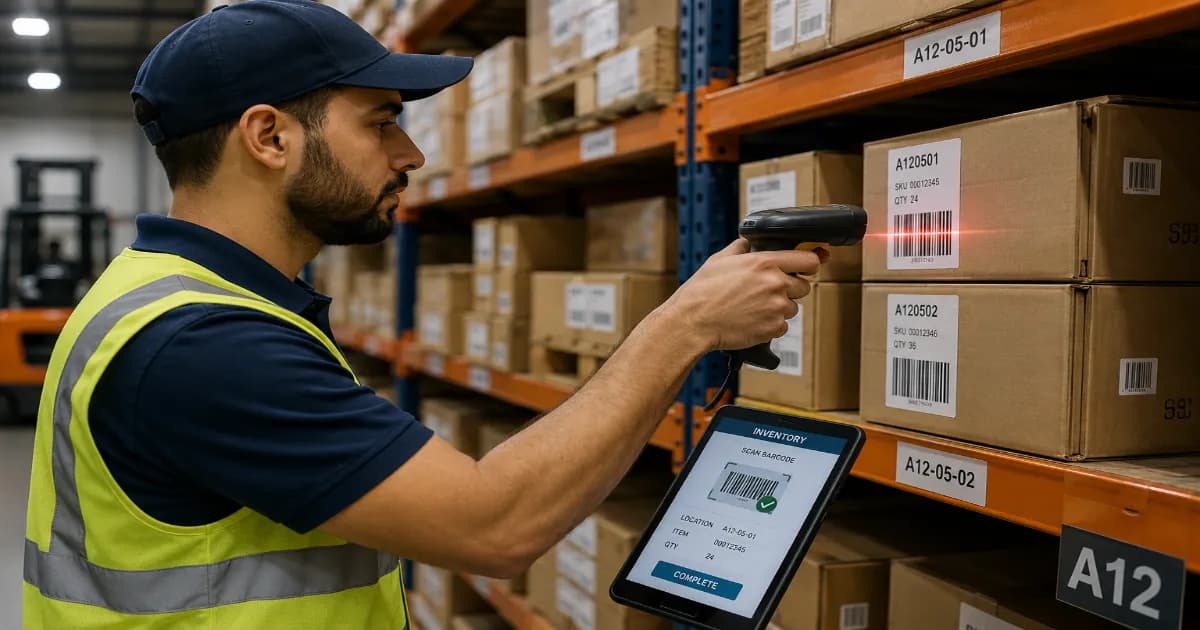
It is also vital to understand that both UPC and EAN are strictly for retail Point of Sale. They only store numbers (the GTIN) and are not used for internal logistics tracking of variable data like batch numbers or expiration dates. If you need to track pallets in a warehouse, you would use industrial formats. You can explore those differences in our Code 128 vs Code 39 guide. Furthermore, if you are looking to link a product directly to a website rather than a cash register database, you should read our comparison on the QR code vs barcode.
Which Should You Choose?
The decision rule is straightforward: if you are selling primarily in the US and Canada, get a UPC. If you are selling internationally (Europe, Asia, South America, etc.), get an EAN. If you are selling globally, getting an EAN is usually the safest bet as all modern US retailers can read them. However, always confirm with your largest distributors before printing.
Generate Your Codes Today
Once you have secured your official GTIN numbers from GS1, you need to turn those numbers into scannable graphic files for your packaging designer. Create your QR code now or use our standard tools to generate pristine, high-resolution barcode images that guarantee a perfect scan at the checkout counter every single time.
Create your QR code for free
No sign up, no limits — generate and download in seconds.
Open the generator