Code 128 vs Code 39: Best Industrial Barcodes Compared
Published on June 8, 2026 · 5 min read
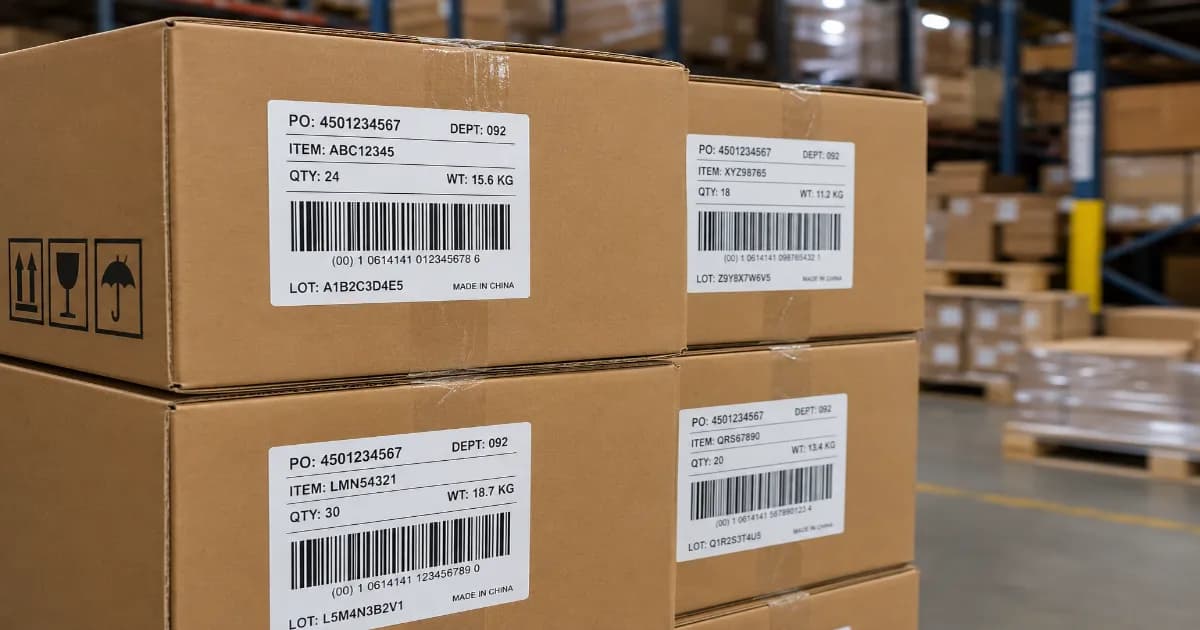
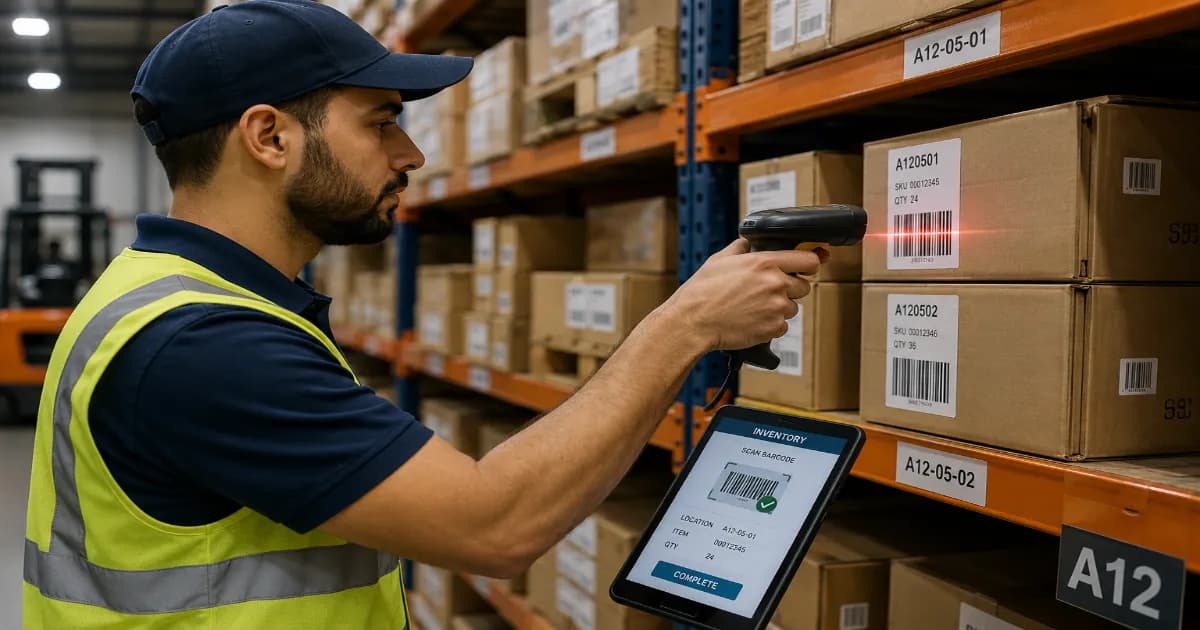
When moving beyond basic retail point-of-sale systems into serious warehousing, logistics, and supply chain tracking, standard retail codes are no longer sufficient. You need something capable of holding internal, variable data like batch numbers, serial numbers, and complex routing instructions. This brings us to the industrial giants: the Code 128 vs Code 39 debate. While both are highly reliable and globally recognized barcode standards, understanding their distinct strengths will dramatically improve your internal operations.
The Legacy of Code 39
Developed in 1974, Code 39 (also known as Code 3 of 9) was the first alphanumeric barcode. This was a massive breakthrough at the time because it allowed companies to encode letters alongside numbers. Specifically, it can encode 43 characters: uppercase letters (A-Z), numeric digits (0-9), and a handful of special characters (-, ., $, /, +, %, and space). Its primary advantage is absolute simplicity. It doesn't require a complex checksum algorithm to generate (though one can be added), and it is supported by virtually every legacy barcode scanner on the planet. For decades, it was the absolute standard for government IDs, automotive manufacturing, and basic barcodes for inventory management. However, its major flaw is density. Code 39 creates physically very wide graphics; encoding just a 15-character string might result in a code too wide to fit on a small shipping label.
The Efficiency of Code 128
Introduced in 1981, Code 128 was designed specifically to solve the data density issues of its predecessors. Its name reflects its capability: it can encode all 128 characters of the standard ASCII character set. This means it supports uppercase and lowercase letters, numbers, and an extensive array of symbols and control characters. What makes Code 128 truly remarkable is its high-density mathematical structure. It uses three different character sets (A, B, and C) internally to compress data. Set C, for example, encodes pairs of numbers into a single barcode character, effectively halving the physical space required for numeric data. Because of this extreme efficiency and built-in mandatory check digit for accuracy, it is now the preferred standard for complex modern logistics, shipping labels, and medical asset tracking.
Comparing Retail and 2D Alternatives
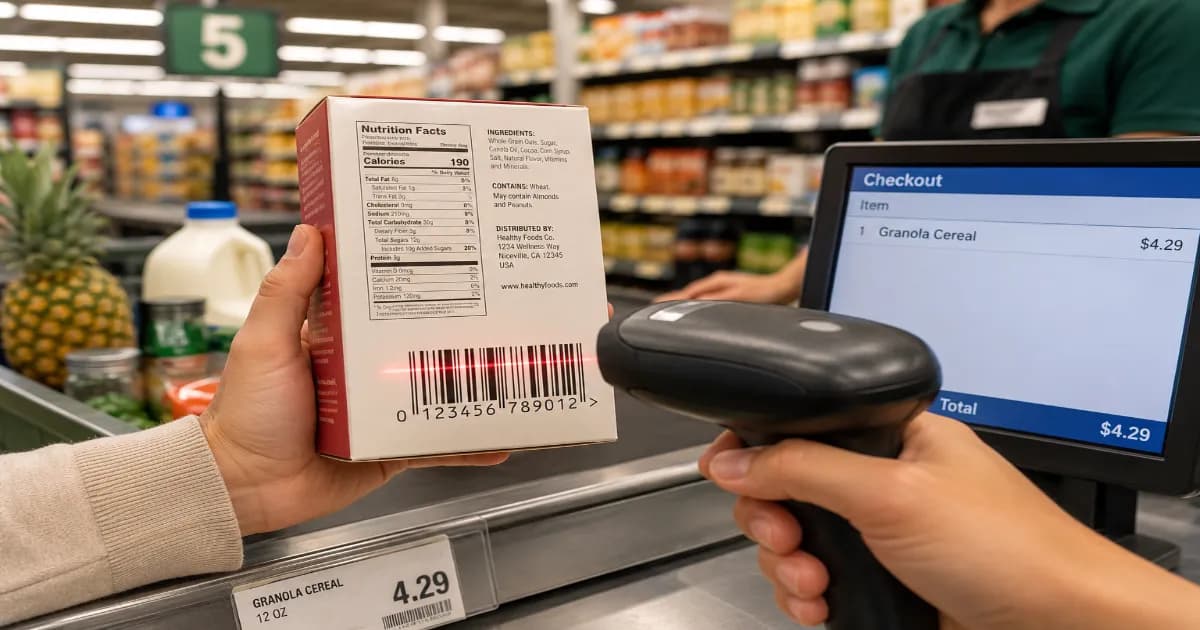
It is important to remember that neither of these formats is meant for the retail checkout counter; if you are selling a consumer product in a supermarket, you must review our guide on the EAN vs UPC barcode. Furthermore, while Code 128 is excellent for holding 20 or 30 characters on a shipping box, if you need to hold hundreds of characters, direct a user to a website, or share a digital business card, a linear 1D code simply won't work. For those advanced use cases, you should read our comprehensive breakdown on the QR code vs barcode to understand 2D matrix capabilities.
Making the Right Choice
In almost all modern scenarios, Code 128 is the superior choice for internal tracking. It is physically smaller, holds more varied characters, and is mathematically more secure against scanning errors. The only reason to choose Code 39 today is if you are locked into a very old legacy database system, or you are complying with a specific government or military contract that strictly mandates its use (such as LOGMARS). For anyone setting up a brand-new warehouse management system, Code 128 should be your default setting.
Create Your Inventory Labels
Ready to upgrade your warehouse logistics? Whether you need the legacy support of a 39 or the high-density power of a 128, you can generate exactly what you need right here. Create your QR code now or use our specialized industrial barcode generators to streamline your entire supply chain.
Create your QR code for free
No sign up, no limits — generate and download in seconds.
Open the generator