Behind the Scenes: How Barcodes Run Logistics, Merchandise & Inventory at the World Cup
نُشِر في 30 يونيو 2026 · 6 دقائق قراءة
When fans watch a FIFA World Cup match, they see the pristine pitch, the dazzling lights, and the world's greatest athletes performing at their peak. What they do not see is the colossal, invisible machine operating behind the scenes. A World Cup is the equivalent of moving a medium-sized city's worth of infrastructure across the globe, setting it up in a few weeks, running it flawlessly, and then tearing it down.
Managing this level of complexity requires military-grade precision in supply chain and inventory management. From the official match balls and broadcast camera gear to millions of replica jerseys and thousands of tons of food, every single item must be tracked, verified, and delivered to the correct location at the exact right time. The quiet hero keeping this logistical behemoth from collapsing into chaos is barcode and QR code technology.
In this behind-the-scenes look, we explore how 1D barcodes and 2D QR codes form the critical digital infrastructure that powers the massive logistics, merchandising, and anti-counterfeiting operations of the World Cup.
The Scale of World Cup Logistics
To understand the role of barcodes, one must first grasp the scale of the operation. A single World Cup tournament involves 32 (soon to be 48) national teams, thousands of media personnel, and tens of thousands of staff members and volunteers. Each of these groups requires specialized equipment. Teams bring highly calibrated training gear, medical supplies, and custom nutrition. Broadcasters bring miles of fiber optic cables, high-definition cameras, and mixing boards.
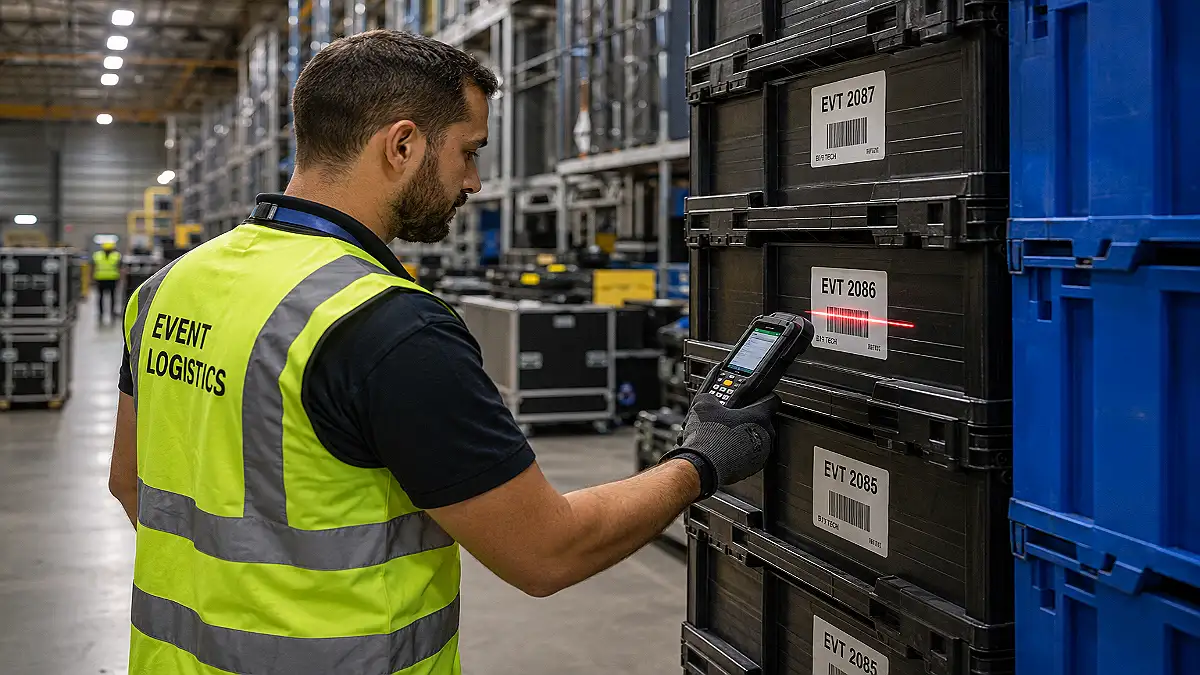
If a crate of broadcast equipment is misrouted, a global broadcast could fail. If a team's medical supplies are lost in transit, player health is compromised. To prevent this, organizers rely on a deeply integrated Warehouse Management System (WMS) entirely driven by barcode scanning. Every crate, pallet, and individual high-value item is tagged with a ruggedized barcode label upon arrival in the host country. As these items move from ports to central warehouses, and finally to specific stadium zones, they are continuously scanned by logistics teams using heavy-duty handheld readers, creating a flawless digital paper trail.
Tracking Official Merchandise from Factory to Fan
Merchandise sales are a massive revenue stream for FIFA and the host nation. Millions of physical items—jerseys, hats, mascots, and keychains—are manufactured globally and shipped to the host cities. Managing this retail inventory requires robust tracking.
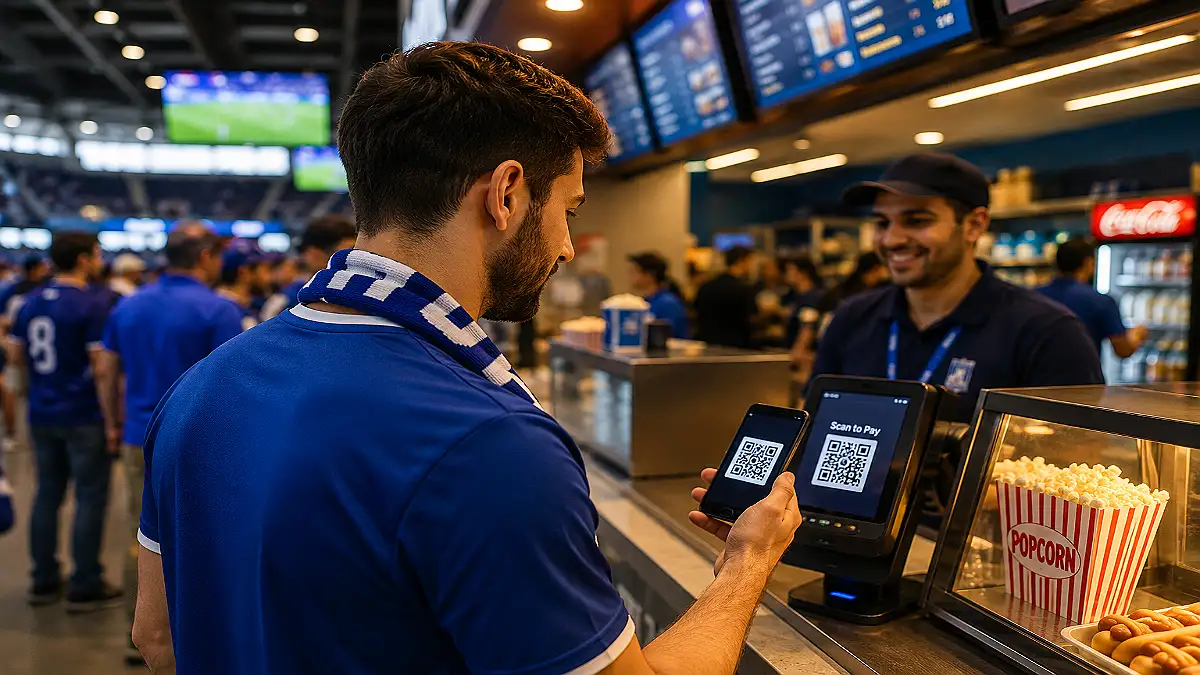
At the manufacturing level, standard retail barcodes (like UPC or EAN codes) are printed on the tags of every item. When merchandise arrives at a stadium mega-store, it isn't counted by hand. Staff use rapid barcode scanners to 'receive' pallets of goods into the local inventory system in seconds. During match days, as fans purchase items, the point-of-sale barcode scans deduct the items from the local database. This real-time data allows logistics coordinators to see exactly which stands are running low on size-large jerseys and dispatch a restock runner before the stand sells out.
Equipment Management for Teams and Broadcasters
Asset tracking is paramount for the professionals working the event. The accreditation centers at a World Cup don't just issue ID badges for humans; they issue digital identities for equipment.
When a credentialed photographer enters a stadium, their high-value camera lenses are often registered via serial number and paired with a custom QR code sticker. This ensures that the equipment entering the stadium matches the equipment leaving the stadium, heavily deterring theft and ensuring that unauthorized, potentially dangerous equipment cannot be smuggled into secure zones disguised as media gear.
Supply Chain Visibility in Host Cities
Because a World Cup severely congests a host city's infrastructure, logistics deliveries to stadiums must be precisely timed. 'Just-in-Time' (JIT) delivery is heavily utilized. Trucks carrying perishables or matchday programs are assigned specific delivery windows.
To facilitate this, drivers are issued logistical manifests featuring QR codes. Upon arriving at the stadium's secure perimeter, security personnel scan the truck's QR manifest. This scan instantly queries the central security database, verifying that the truck is expected at that specific gate at that specific minute, validating the driver's background check, and displaying the cargo manifest. This rapid scanning protocol ensures that security is maintained without causing massive traffic backups at the loading docks.
Anti-Counterfeit Measures Using 2D Barcodes
The global popularity of the World Cup makes official merchandise a prime target for counterfeiters. To combat the millions of dollars lost to fake goods, manufacturers have moved beyond simple holographic stickers and embraced secure 2D QR codes on apparel tags.
These anti-counterfeit QR codes are unique to every single garment (serialization). When a fan buys a premium official jersey, they can scan the QR code on the physical tag using their smartphone. The code directs them to a secure verification portal that confirms the item's authenticity, displays manufacturing details, and sometimes unlocks exclusive digital content. If counterfeiters copy the QR code and print it on a thousand fake shirts, the system detects multiple scans of the same unique code from different global locations and instantly flags the code as compromised, warning future buyers that the item is likely fake.
Conclusion
The glitz and glamour of the FIFA World Cup are made possible entirely by the rigorous, unyielding efficiency of its logistics network. By applying barcode and QR code technology to every facet of the supply chain—from the mass intake of retail merchandise to the granular tracking of broadcast equipment—organizers maintain absolute control over an impossibly complex environment. These simple, scannable patterns are the unsung operational heroes of global sporting events.
If you are managing inventory, organizing event equipment, or tracking retail merchandise, robust labeling is essential. Generate clear, reliable inventory tracking codes with the QRinsec free barcode generator.
Frequently Asked Questions (FAQ)
What is the difference between the barcodes on merchandise and the QR codes on tickets?
Merchandise typically uses standard 1D barcodes (like UPCs) that identify the product type for pricing and inventory. Tickets use dynamic 2D QR codes, which hold complex encrypted data unique to the individual user to ensure security.
How does barcode scanning help with stadium security?
By scanning barcodes on logistical manifests and delivery trucks, security teams can instantly verify that a delivery is authorized, cross-referencing the driver and the cargo against a secure central database before allowing entry.
Can I tell if my World Cup merch is fake using a QR code?
Yes, premium official World Cup merchandise often includes a unique serialized QR code on the physical tag. Scanning it with your phone will ping an authentication database to verify if the item is genuine.
How do stadiums manage thousands of staff uniforms?
Uniform management relies heavily on barcodes. Each uniform item is barcoded and assigned to a specific volunteer or staff member's profile when scanned out, ensuring accountability and facilitating the return process.