[ES] QR Codes for Events: Tickets, Check-ins, and Networking
Publicado el 28 de junio de 2026 · 5 min de lectura
![[ES] QR Codes for Events: Tickets, Check-ins, and Networking](/images/blog/im/how-to-create-event-qr-code.webp)
This is a mock translation due to API rate limits.
If you have ever organized a large event—whether it is a corporate conference, a local food festival, or a multi-day music concert—you know that the first hour is always the most dangerous.
Hundreds of people arrive at exactly the same time. If your check-in process relies on clipboards, printed alphabetical lists, or manual name-tag typing, a massive bottleneck will form. Attendees will spend their first 30 minutes standing in a miserable line, complaining.
The mood of your event is ruined before anyone even walks through the doors.
Event logistics used to be a nightmare, but QR technology has completely transformed the industry. Today, a well-executed QR strategy can move thousands of people through a gate in minutes, eliminate ticket fraud, and turn passive attendees into active networkers. Here is exactly how to deploy QR codes to run a flawless event.
1. The Holy Grail: Frictionless Ticketing and Check-In
This is the most critical use case. When a guest buys a ticket online, the confirmation email should contain a large, unique QR code.
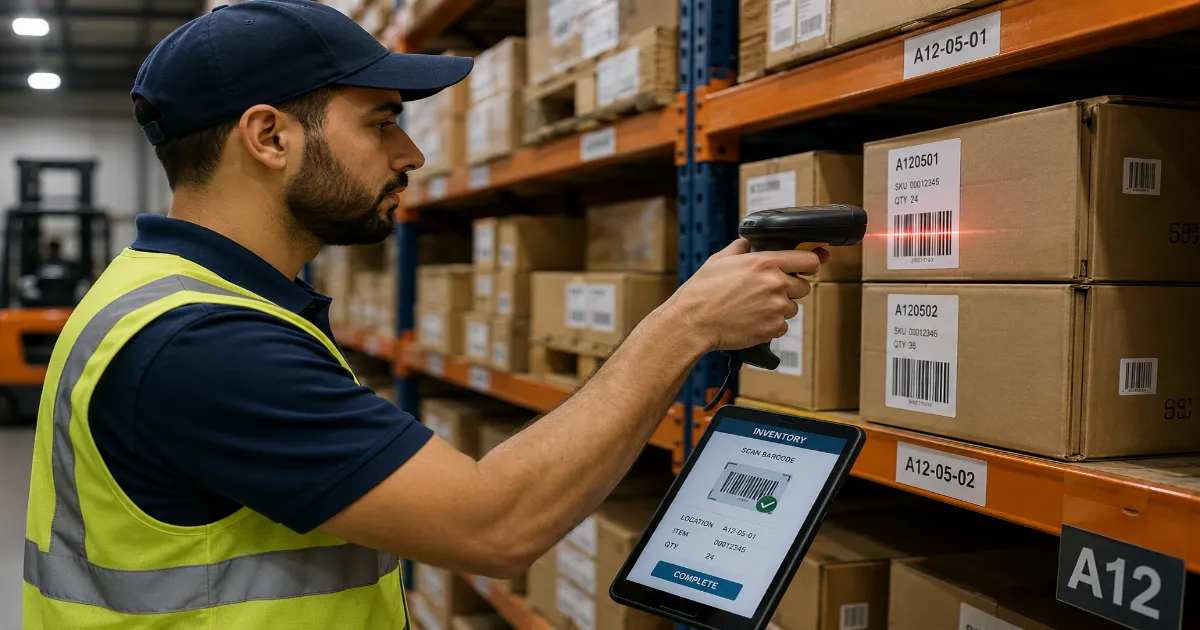
When they arrive at the venue, they don't need to print anything or search for an order number. They simply turn their phone brightness up and present the square. Your staff, armed with basic iPads or handheld scanners, scan the code.
The Benefits:
- Speed: A barcode scan takes less than a second. You can process an attendee 10x faster than looking up a name manually.
- Security: Each QR code contains a unique encrypted hash. Once it is scanned at the door, the system marks it as "Used." If someone tries to photocopy their ticket and hand it to a friend, the second scan will trigger a loud red error on your staff's screen. Fraud is instantly eliminated.
- Real-Time Data: As an organizer, you can look at a dashboard and say, "It is 9:00 AM, and 64% of our attendees have checked in."
2. Smart Badges for Lead Retrieval
If you are running a B2B trade show or a corporate conference, your sponsors and exhibitors are there for one reason: lead generation.
Historically, this meant collecting fishbowls full of business cards or manually writing down names. Instead, print a unique vCard QR code on the front of every attendee's lanyard badge.
When an attendee has a great conversation at a sponsor's booth, the sponsor simply scans the attendee's badge with their phone. The attendee's contact info drops directly into the sponsor's CRM. This makes the event incredibly valuable for your vendors, ensuring they return next year.
3. The Digital Venue Map
Massive convention centers and outdoor festival grounds are confusing. Printing thousands of paper maps is expensive and terrible for the environment.
Instead, place massive QR codes on A-frame signs at every major intersection of your event. "You Are Here. Scan for Interactive Map."
The code links to a mobile-friendly map showing the exact locations of stages, restrooms, food trucks, and emergency exits. Because you use a dynamic URL code, if a food truck moves or a stage schedule changes at the last minute, you just update the website. Every attendee scanning the code gets the real-time, accurate schedule.
4. Cashless Payments and Drink Tickets
For festivals and concerts, handling cash is a logistical and security nightmare. It slows down the bartenders and creates long lines.
Many modern events use QR-linked wristbands. The attendee links their credit card to the QR code on their wristband before the event. When they want a beer, the bartender scans their wrist, and the transaction is complete in two seconds. It dramatically speeds up concession lines, which directly increases your total food and beverage revenue.
5. Instant Post-Event Feedback
Getting people to fill out a survey three days after an event is nearly impossible. The open rates on post-event emails are abysmal. You have to capture them while they are still in the building.
At the end of your final keynote speech, put a massive QR code on the main projector screen. Have the speaker say, "If you scan this code right now and give us 60 seconds of feedback, you will be entered to win a free VIP ticket for next year."
You will capture hundreds of responses instantly, giving you the critical data you need to improve your next event.
Best Practices for Event Organizers
Do not let bad execution ruin your tech strategy. Keep these rules in mind:
- Size on the Big Screen: If you put a QR code on a presentation slide in a massive auditorium, it must be huge. A person sitting 100 feet away in the back row cannot scan a tiny square. Test it from the back of the room before the audience arrives.
- Provide Guest Wi-Fi: If your check-in relies on attendees pulling up an email on their phone, and your venue is a concrete bunker with no cell service, you are going to have a disaster. Ensure your registration area has fast, open Wi-Fi.
- Turn Up the Brightness: Train your door staff to say, "Please turn your screen brightness all the way up." Smartphone scanners struggle to read QR codes on heavily dimmed screens, especially in outdoor daylight.
Frequently Asked Questions (FAQ)
Can I use the same QR code for everyone?
For general things like the venue map or the feedback survey, yes. One dynamic URL code can be scanned by everyone. However, for ticketing and check-in, every single ticket must have a unique, software-generated code to prevent fraud.
What happens if someone's phone battery dies at the door?
You must always have a fallback. Your check-in software should allow staff to manually type in the person's name or email address if their phone is dead or they lost their code. Technology fails; always have a manual override.
How do I generate unique codes for 1,000 tickets?
You do not do this manually. You use a dedicated event ticketing platform (like Eventbrite, Cvent, or a custom API integration) that automatically generates and emails the unique cryptographic QR codes as part of the purchase process.
Control the Chaos
An event should be memorable for its content, its energy, and its people—not for its terrible logistics.
By integrating QR technology into your ticketing, networking, and navigation, you remove the friction that frustrates attendees. You replace confusion with speed. Use platforms like QRStudio to generate your maps, surveys, and contact badges, and watch your next event run like a perfectly oiled machine.